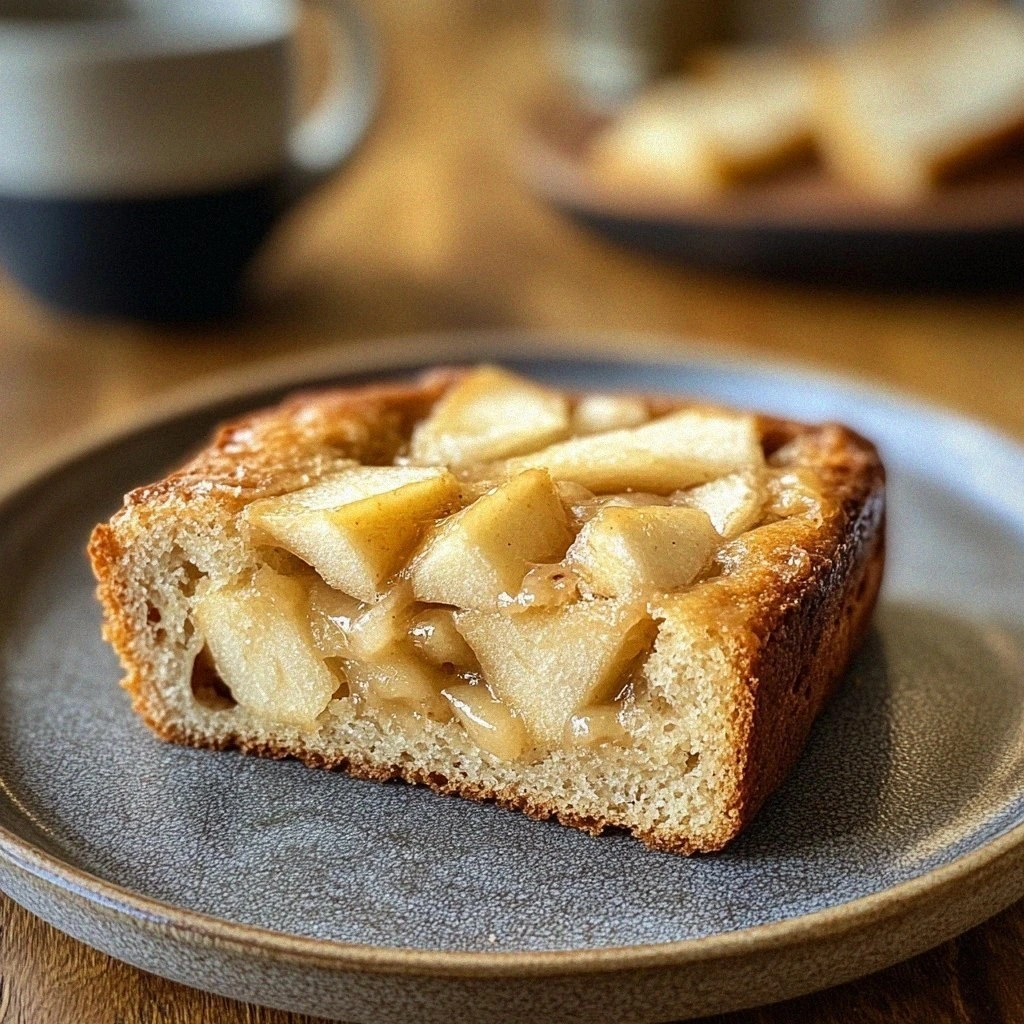
It was a crisp Saturday morning in late autumn, the kind of day when the air smells faintly of pine and the kitchen becomes a sanctuary from the chill outside. I was rummaging through my pantry, half‑heartedly looking for a snack to pair with the steaming mugs of coffee my husband had brewed, when I spotted a half‑used stick of butter and a bag of toffee bits that had been rescued from the bottom of the cabinet. The moment I lifted the lid of the butter, a cloud of fragrant steam hit me – a warm, nutty aroma that reminded me of my grandmother’s kitchen, where butter was always browned to perfection before anything else. That simple scent sparked an idea: what if I could combine that deep, caramel‑like butter flavor with the bold kick of coffee and the crunchy surprise of toffee? The result? Irresistible Brown Butter Coffee Toffee Cookies that taste like a hug in every bite.
When you bite into these cookies, the first thing you notice is the delicate snap of toffee, followed by a buttery crumble that melts on the tongue, all underscored by a subtle espresso undertone that lingers like a whisper. The brown butter adds a nutty, almost caramel‑rich depth that ordinary melted butter simply can’t achieve, while the instant coffee granules deliver a concentrated coffee flavor without the mess of brewed coffee. Imagine the comforting aroma of freshly baked cookies mingling with the robust scent of espresso – it’s a sensory duet that makes you want to curl up with a good book and a warm cup of joe. Have you ever wondered why café‑style cookies taste so different from the ones you bake at home? The secret lies in the technique, and I’m about to spill it.
But wait – there’s a hidden trick that elevates these cookies from good to unforgettable, and I’ll reveal it in step four of the recipe. Trust me, you’ll want to bookmark this page because the moment you master that technique, you’ll be the go‑to baker for friends and family during holidays, brunches, and those spontaneous coffee catch‑ups. The best part? The ingredients are pantry‑friendly, the method is straightforward, and the result is a cookie that feels luxurious yet comforting. So, grab your mixing bowls, preheat the oven, and get ready to embark on a flavor adventure that will have your kitchen smelling like a boutique bakery.
Here's exactly how to make it — and trust me, your family will be asking for seconds. The journey from butter to biscuit is filled with little moments of magic, each one designed to coax out the richest flavors and the perfect texture. Ready? Let’s dive in and discover why this recipe works so wonderfully.
🌟 Why This Recipe Works
- Flavor Depth: Browning the butter creates a nutty, caramel‑like flavor that adds a sophisticated layer beyond plain melted butter, turning each bite into a complex experience.
- Texture Harmony: The combination of brown butter, both granulated and brown sugar, and toffee bits produces a chewy center with a crisp edge, delivering a satisfying contrast in every mouthful.
- Ease of Execution: Despite the gourmet feel, the steps are simple—no special equipment is required, just a sturdy saucepan and a good mixing bowl.
- Time Efficiency: From start to finish the recipe takes under an hour, making it perfect for weekday treats or weekend gatherings without demanding a full day in the kitchen.
- Versatility: The base cookie can be customized with different mix‑ins or glazes, allowing you to tailor it to seasonal flavors or personal preferences.
- Crowd‑Pleasing Factor: The coffee note adds a grown‑up twist that adults love, while the sweet toffee appeals to kids, making it a universally adored dessert.
- Ingredient Quality: Using unsalted butter and high‑quality instant coffee ensures that every flavor shines without being masked by excess salt or bitterness.
- Nutrition Balance: While indulgent, the recipe uses a moderate amount of sugar and includes protein from the eggs, offering a more balanced treat compared to overly sugary alternatives.
🥗 Ingredients Breakdown
The Foundation
The backbone of any great cookie is the butter, and in this recipe we use two sticks of unsalted butter that we deliberately brown. The browning process triggers the Maillard reaction, releasing nutty, toasty aromas that are impossible to replicate with plain melted butter. When choosing butter, opt for a high‑fat European style if you can find it; the extra fat contributes to a more tender crumb. If you only have salted butter on hand, simply reduce the added salt by half to keep the flavor balanced.
Granulated sugar and brown sugar work together to create the perfect texture. The granulated sugar encourages a slight crunch on the edges, while the brown sugar, with its molasses content, keeps the interior moist and chewy. For a deeper flavor, you could substitute dark brown sugar, but remember it will add a hint of bitterness that pairs beautifully with coffee.
Aromatics & Bindings
Two large eggs are the glue that binds our dough together, providing structure and richness. Eggs also add a subtle sheen to the finished cookie, making them look as good as they taste. When cracking the eggs, do it into a separate bowl first to avoid any stray shells – a tiny detail that keeps the dough smooth.
A splash of pure vanilla extract is the unsung hero that rounds out the flavor profile. It amplifies the buttery notes and softens the coffee’s edge, creating a harmonious blend. If you have a vanilla bean on hand, split it and scrape the seeds into the batter for an even more aromatic experience.
The Secret Weapons
Instant coffee granules are the star of the show. Because they’re dehydrated, they dissolve effortlessly into the dough, delivering a concentrated coffee flavor without adding moisture. If you’re a coffee aficionado, consider using a high‑quality espresso‑grade instant coffee for an even bolder punch.
Toffee bits add that delightful crunch and caramel sweetness that contrast the buttery softness. Look for toffee pieces that are roughly the size of a pea; larger chunks can dominate the bite, while smaller bits may disappear unnoticed. You can even make your own toffee by caramelizing sugar with butter and letting it harden, then chopping it into bite‑size pieces.
Finishing Touches
All‑purpose flour provides the structure, while baking soda acts as a leavening agent, helping the cookies spread just enough to form a thin, crisp edge. A pinch of salt is essential – it enhances the sweet and bitter notes, ensuring the flavors don’t become flat. If you’re watching sodium, you can reduce the salt to a scant ¼ teaspoon without sacrificing taste.
With your ingredients prepped and ready, let's get cooking. Here's where the fun really begins…

🍳 Step-by-Step Instructions
-
Begin by melting the two sticks of unsalted butter in a medium‑sized saucepan over medium heat. As the butter foams, keep a close eye on it; after a few minutes the foam will subside, and the butter will turn a deep amber color and release a nutty fragrance. This is the moment the Maillard reaction works its magic, so don’t walk away – a quick stir every 20 seconds prevents burning. Once you see brown specks settling at the bottom, remove the pan from the heat and let the brown butter cool for about five minutes. The cooling step is crucial because it prevents the butter from melting the sugars too early, preserving a light dough texture.
💡 Pro Tip: Transfer the browned butter to a heat‑proof bowl and skim off any foam that rises to the surface; this gives you a cleaner, smoother butter base. -
In a large mixing bowl, combine 1 cup of granulated sugar and 1 cup of brown sugar. Pour the slightly cooled brown butter over the sugars and whisk until the mixture is glossy and well‑combined. You’ll notice the mixture becomes a pale caramel color – that’s a good sign the butter has incorporated fully. This step creates a creamy base that will trap air, leading to a tender crumb once baked.
-
Add two large eggs, one at a time, beating after each addition until the batter looks smooth and slightly thickened. Follow with a generous splash (about 2 teaspoons) of pure vanilla extract. The batter should be glossy but not runny; if it looks too thin, give it a minute – the butter will firm up as it sits.
⚠️ Common Mistake: Over‑mixing at this stage can develop gluten, resulting in a tough cookie. Mix just until the eggs are fully incorporated. -
Stir in 2 teaspoons of instant coffee granules directly into the wet mixture. Because the granules are dry, they dissolve quickly, spreading a uniform coffee flavor throughout the dough. If you prefer a stronger coffee kick, increase to 3 teaspoons, but be careful not to overpower the buttery notes. The coffee’s bitterness will balance the sweetness, creating a sophisticated flavor profile.
💡 Pro Tip: For an extra aromatic boost, dissolve the coffee granules in a tablespoon of hot water before adding; this ensures no gritty texture remains. -
In a separate bowl, whisk together 2 ¾ cups of all‑purpose flour, 1 tsp baking soda, and ½ tsp salt. Gradually add the dry ingredients to the wet mixture, folding gently with a spatula. The dough will come together quickly; stop mixing as soon as no flour streaks remain. Over‑mixing can make the cookies dense, so a gentle hand is key.
-
Fold in 1 ½ cups of toffee bits, ensuring they are evenly distributed without crushing them. The toffee pieces should stay chunky, offering that satisfying crunch when you bite into the cookie. If you want an extra caramel swirl, you can drizzle a thin layer of melted caramel over the dough before chilling.
-
Cover the bowl with plastic wrap and refrigerate the dough for at least 30 minutes. Chilling firms the butter, making the dough easier to scoop and preventing the cookies from spreading too much on the baking sheet. For an even richer flavor, you can let the dough rest overnight – the butter continues to develop its nutty notes.
-
Preheat your oven to 350°F (175°C) and line two baking sheets with parchment paper. Using a cookie scoop (about 1½ tbsp), portion the chilled dough onto the sheets, spacing them 2 inches apart. Press each ball lightly with the back of a spoon to flatten just a touch; this encourages even browning and a uniform thickness.
-
Bake for 12‑15 minutes, or until the edges turn a light golden brown and you can smell the sweet, nutty aroma mingling with coffee. The centers may still look slightly soft – that’s perfect, because they’ll firm up as they cool. Rotate the sheets halfway through baking for an even color.
-
Allow the cookies to cool on the baking sheet for 5 minutes before transferring them to a wire rack. This brief rest lets them set without breaking. Once completely cool, you can optionally drizzle a thin stream of melted dark chocolate for an elegant finishing touch. The result? A cookie that’s crisp on the outside, chewy in the middle, with bursts of toffee and a lingering coffee kiss.
⚠️ Common Mistake: Over‑baking by even a minute can dry out the centers, turning a chewy cookie into a brittle one. Keep a close eye on the color and remove them as soon as the edges are set.
And there you have it! But before you dig in, let me share some tips that will take this from great to absolutely unforgettable…
🔐 Expert Tips for Perfect Results
The Taste Test Trick
Before you fold the toffee bits into the dough, grab a tiny spoonful of the batter and taste it. If the coffee flavor feels muted, add a pinch more instant coffee – remember, the heat of baking will concentrate the flavor, so a slight under‑taste at this stage is okay. Trust your palate; it’s the best gauge for balance.
Why Resting Time Matters More Than You Think
Letting the dough rest in the refrigerator does more than just firm up the butter. It gives the flour time to hydrate fully, which improves the cookie’s structure and prevents spreading. I once skipped this step and ended up with flat, crispy cookies that lacked that coveted chewy center. The lesson? Patience is a flavor enhancer.
The Seasoning Secret Pros Won’t Tell You
A pinch of flaky sea salt sprinkled on top just before baking adds a pop of contrast that makes the sweet and coffee flavors sing. It’s a small detail that professional bakers use to elevate cookies from ordinary to restaurant‑quality. If you love that sweet‑salty combo, try a light dusting right after the cookies come out of the oven.
Baking Sheet Choice
Using a dark, non‑stick baking sheet can cause the bottoms to brown faster, while a light-colored sheet promotes even baking. I prefer a light parchment‑lined sheet for these cookies, as it gives the edges a gentle, uniform color without any burnt spots. Experiment with both and see which texture you prefer.
The Cool‑Down Curve
Resist the urge to pile the cookies together while they’re still warm; they’ll steam and lose that crisp edge. Instead, let them rest on a wire rack with space between each piece. This simple step preserves the delightful crunch that makes each bite so satisfying.
🌈 Delicious Variations to Try
One of my favorite things about this recipe is how versatile it is. Here are some twists I've tried and loved:
Espresso‑Chocolate Swirl
Add ¼ cup of dark chocolate chips to the dough and swirl in an extra teaspoon of espresso powder. The chocolate adds richness, while the extra espresso deepens the coffee profile, creating a mocha‑like experience that’s perfect for an afternoon pick‑me‑up.
Nutty Delight
Replace half of the toffee bits with chopped toasted pecans or walnuts. The nuts introduce a buttery crunch that complements the toffee and adds a subtle earthiness, making the cookie feel more rustic and hearty.
Holiday Spice
Incorporate ½ teaspoon of ground cinnamon and a pinch of ground nutmeg into the dry ingredients. The warm spices echo the coffee’s bitterness, turning the cookie into a festive treat that’s perfect for holiday gatherings.
Salted Caramel Drizzle
After the cookies have cooled, drizzle them with a homemade salted caramel sauce and sprinkle a pinch of flaky sea salt on top. The sweet‑salty combination elevates the toffee’s caramel notes and adds a glossy finish that looks as good as it tastes.
Coconut Crunch
Swap half of the toffee bits for unsweetened toasted coconut flakes. The coconut brings a tropical nuance that pairs surprisingly well with coffee, creating a cookie that feels both familiar and exotic.
📦 Storage & Reheating Tips
Refrigerator Storage
Place the cooled cookies in an airtight container lined with a parchment sheet. Store them in the refrigerator for up to one week. The cool environment helps preserve the buttery crumb and keeps the toffee bits from becoming too soft. If you notice any condensation, simply replace the top parchment sheet to absorb excess moisture.
Freezing Instructions
These cookies freeze beautifully. Arrange them in a single layer on a baking sheet and freeze for two hours, then transfer to a freezer‑safe bag. When you’re ready to enjoy them, let them thaw at room temperature for 15 minutes, then give them a quick warm‑up in a 300°F oven for five minutes to revive the crisp edges.
Reheating Methods
To bring a cookie back to its fresh‑out‑of‑the‑oven glory, place it on a microwave‑safe plate and heat for 10‑12 seconds, or pop it in a preheated 350°F oven for three minutes. The trick to reheating without drying it out? A splash of melted butter brushed lightly over the top before warming adds moisture and a glossy finish.